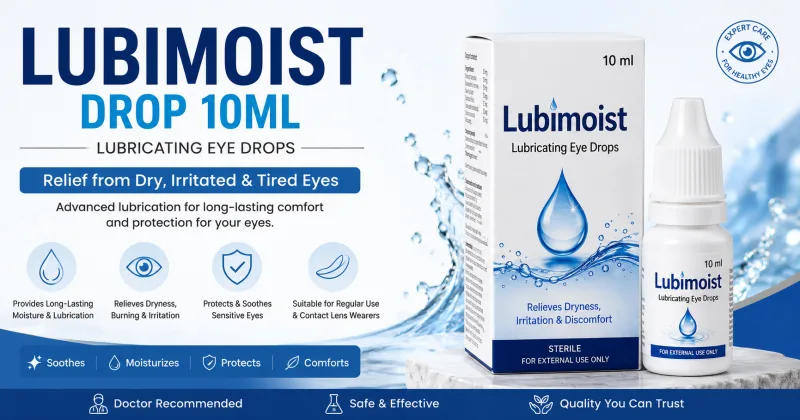
Healthy eyes are essential for daily life, and proper care after an eye procedure is equally important. Eye surgeries such as cataract operations often cause temporary pain, redness, irritation, and swelling. Doctors frequently prescribe eye drops that help control these symptoms and support a comfortable recovery.
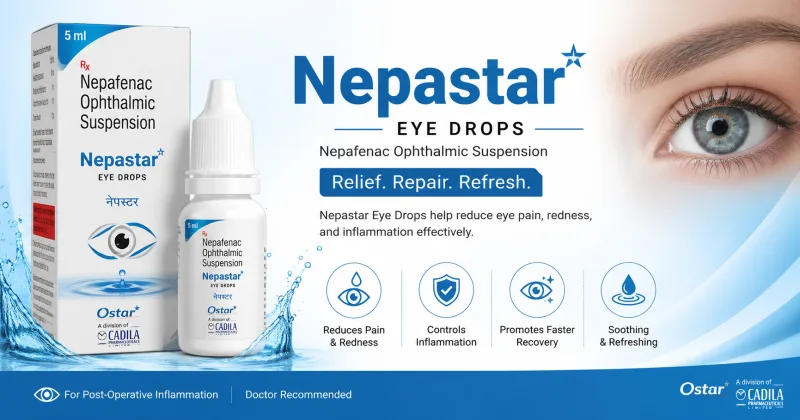
Nepastar Drop 5ML is one such ophthalmic medicine used to reduce inflammation and relieve pain after eye surgery. It should always be used according to an ophthalmologist's advice and should never be shared with another person, even if the symptoms appear similar.
This guide explains everything you should know about Nepastar Drop 5ML, including its uses, benefits, dosage, precautions, side effects, and storage instructions.
What is Nepastar Drop 5ML?
Nepastar Drop 5ML is a prescription eye drop that contains Nepafenac, a non-steroidal anti-inflammatory drug (NSAID). It is specially formulated for ophthalmic use and is commonly prescribed after cataract surgery or other eye procedures to reduce inflammation and discomfort.
After eye surgery, the body naturally releases chemicals known as prostaglandins that cause pain and swelling. Nepafenac blocks the production of these chemicals, helping patients recover more comfortably.
Because this medicine acts locally inside the eye, it provides targeted relief with minimal absorption into the bloodstream.
Uses of Nepastar Drop 5ML
Doctors may prescribe Nepastar Drop 5ML for several eye conditions, including:
- Relief of pain following cataract surgery
- Reduction of inflammation after eye surgery
- Prevention of excessive postoperative swelling
- Improvement of comfort during the healing process
- Management of eye irritation associated with surgical recovery
It should only be used for the condition recommended by your eye specialist.
How Does Nepastar Drop 5ML Work?
The active ingredient Nepafenac penetrates the eye tissues and converts into its active form called Amfenac.
Amfenac works by blocking the enzyme Cyclooxygenase (COX), which is responsible for producing prostaglandins. These inflammatory chemicals are responsible for pain, redness, and swelling.
By reducing prostaglandin production, Nepastar Drop helps decrease:
- Eye pain
- Swelling
- Redness
- Post-surgical inflammation
This allows the eye to heal with greater comfort.
Benefits of Nepastar Drop 5ML
Some important benefits include:
- Helps relieve eye pain after surgery
- Reduces postoperative inflammation
- Controls redness and swelling
- Improves overall comfort during recovery
- Supports normal healing after cataract surgery
- Easy-to-use sterile eye drop formulation
When used correctly, it can significantly improve postoperative recovery.
How to Use Nepastar Drop 5ML
Follow your doctor's instructions carefully.
General instructions include:
- Wash your hands before using the eye drops.
- Shake the bottle gently if instructed.
- Tilt your head backward.
- Pull down the lower eyelid.
- Instill the prescribed number of drops.
- Avoid touching the dropper tip to your eye or fingers.
- Close your eyes gently for one to two minutes.
- Wipe away any excess liquid with a clean tissue.
- Replace the cap tightly after use.
If using multiple eye drops, maintain a gap of at least 5–10 minutes between medicines.
Recommended Dosage
The exact dosage depends on your eye condition and your doctor's recommendation.
Typically:
- One drop in the affected eye(s)
- Usually one to three times daily depending on the treatment plan
Never increase or reduce the dosage without medical advice.
Possible Side Effects
Like all medicines, Nepastar Drop may occasionally cause mild side effects.
Common side effects include:
- Temporary burning sensation
- Mild eye irritation
- Watery eyes
- Blurred vision immediately after use
- Dry eyes
- Mild redness
Less common but serious symptoms include:
- Severe eye pain
- Vision changes
- Persistent swelling
- Eye discharge
- Signs of allergic reaction
Seek immediate medical attention if severe symptoms occur.
Who Should Avoid This Medicine?
Nepastar Drop may not be suitable for:
- People allergic to Nepafenac
- Patients with severe NSAID allergy
- Individuals advised against NSAID eye drops by their ophthalmologist
Always consult your doctor before starting treatment.
Drug Interactions
Tell your doctor if you are using:
- Other prescription eye drops
- Steroid eye drops
- Artificial tears
- Antibiotic eye drops
- Oral NSAID medicines
- Blood-thinning medications
Using multiple eye medicines without proper spacing may reduce effectiveness.
Storage Instructions
Store Nepastar Drop properly to maintain its effectiveness.
- Keep below room temperature.
- Protect from direct sunlight.
- Do not freeze.
- Keep the bottle tightly closed.
- Keep away from children.
- Discard the bottle after the recommended period once opened, as advised by your pharmacist or doctor.
Missed Dose
If you forget a dose:
- Use it as soon as you remember.
- Skip the missed dose if your next scheduled dose is near.
- Do not use extra drops to make up for a missed dose.
FAQs
Can Nepastar Drop be used without surgery?
- It is mainly prescribed after eye surgery. Do not use it without medical advice.
Does Nepastar Drop affect vision?
- Temporary blurred vision may occur immediately after application. Avoid driving until your vision becomes clear.
Can contact lenses be worn while using Nepastar Drop?
- Contact lenses should generally be removed before applying the drops and reinserted only after your doctor's recommended waiting time.
How long should I continue using Nepastar Drop?
- Continue the medicine for the full duration prescribed by your ophthalmologist, even if symptoms improve early.
Can children use Nepastar Drop?
- Its use in children should only be under the supervision of a qualified eye specialist.
References
- National Center for Biotechnology Information (NCBI) – Nepafenac Ophthalmic Studies
- DailyMed – Nepafenac Ophthalmic Suspension Prescribing Information
- American Academy of Ophthalmology (AAO) – Postoperative Eye Care Guidelines
Medical Disclaimer
This article is intended for educational purposes only and should not replace professional medical advice, diagnosis, or treatment. Always consult a qualified ophthalmologist or healthcare provider before starting or stopping any medication.